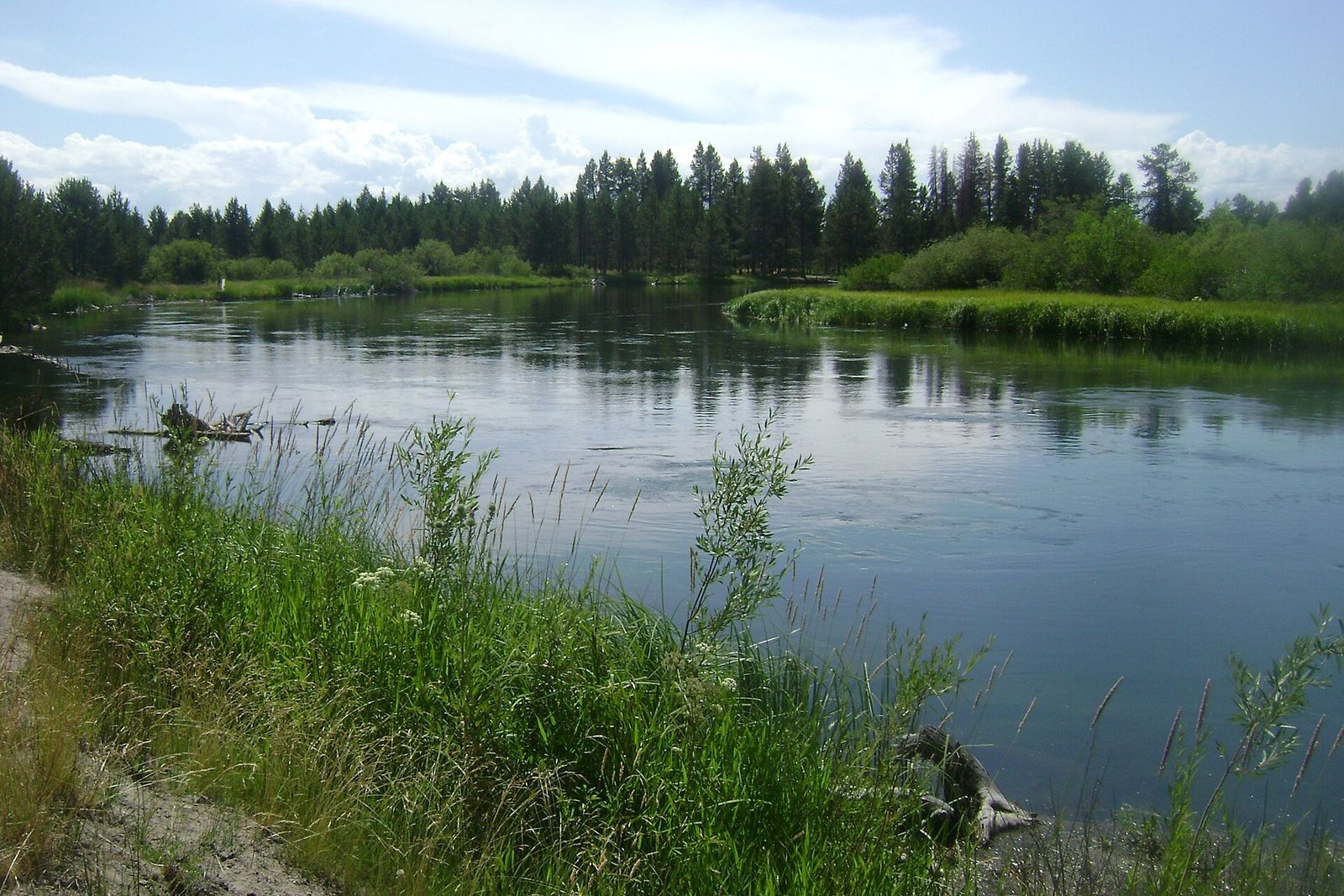
The best time to visit Sunriver is July through September if you want warm, dry days on the river and the bike paths, and December through February if you’re coming for snow. If you’re flexible and asking us, September is the sweet spot: summer-warm afternoons, crisp starry nights, and a calmer pace once the peak summer rush winds down.
This guide is for planning, not for today’s forecast. For current conditions, check the National Weather Service forecast for Sunriver. What follows is the long view: the monthly averages, what they actually feel like on the ground, and how to pick the season that fits your trip.
What is the weather like in Sunriver by month?
These numbers are NOAA’s official 1991 to 2020 climate normals for the Sunriver weather station (station USC00358246), which sits right in Sunriver at about 4,180 feet. Precipitation is total water, so winter snow is counted after it melts. The last column is the average number of nights each month when the low drops below freezing.
| Month | Avg high (°F) | Avg low (°F) | Precipitation (in.) | Nights below 32°F |
|---|---|---|---|---|
| January | 40 | 20 | 2.9 | 30 |
| February | 43 | 21 | 1.9 | 27 |
| March | 50 | 24 | 1.5 | 29 |
| April | 57 | 25 | 1.2 | 25 |
| May | 65 | 33 | 1.7 | 16 |
| June | 72 | 37 | 1.1 | 7 |
| July | 84 | 41 | 0.5 | 2 |
| August | 83 | 40 | 0.6 | 3 |
| September | 76 | 34 | 0.8 | 15 |
| October | 62 | 28 | 1.4 | 24 |
| November | 46 | 24 | 2.4 | 26 |
| December | 38 | 19 | 3.2 | 29 |
| Year | 60 | 29 | 19.1 | 231 |
Three things jump out. First, the daily swing: a typical July day runs from about 41°F at dawn to 84°F in the afternoon, a spread of more than 40 degrees. Second, summer is remarkably dry, with July and August averaging around half an inch of precipitation each. Third, freezing nights are the rule here, not the exception: the station averages 231 of them a year, and even July and August each average a couple.
What does high desert weather actually feel like?
Sunriver sits on the dry east side of the Cascades, and you notice it right away. Dry air cools fast after sunset and warms fast once the sun is up, so a summer morning can call for a fleece and the same afternoon for shorts. The sun feels strong at over 4,000 feet, which means sunscreen and a hat matter even on days that feel mild. You’ll get thirsty faster than you expect, and so will your dog.
The payoff for all that dry air is clear skies. Nights are dark and full of stars, which is why the Sunriver Nature Center & Observatory is one of our favorite relaxed outings: clear desert skies make for incredible stargazing. You’ll find it with the rest of our picks on the attractions page.
What is Sunriver like in the summer?
June through August is Sunriver at full volume. June is still a transition month, with 72°F highs, 37°F lows, and a handful of frosty nights on average. Real summer settles in by July, when highs average 84°F and rain is rare. It’s warm enough for the river and cool enough at night that you’ll want a sweatshirt after dark.
What’s best in summer:
- The SHARC’s outdoor pools. The indoor pool runs year-round, but the heated outdoor pools generally open from Memorial Day weekend to Labor Day weekend, weather permitting, according to the SHARC. Our cabin comes with six SHARC passes; here’s how the passes work and why we include six. Go early on hot days: the parking lot fills fast.
- Floating the Deschutes. The Harper Bridge float (three to five hours, ending at the Sunriver canoe and kayak takeout) and the short horseshoe float at Besson day use are warm-weather classics. Our Deschutes floating guide covers the details, and the activities page has the rest of our summer list.
- Lava River Cave. It opens only in its summer season. The Forest Service currently lists May 15 to September 15, Friday through Monday, with timed reservations required on Recreation.gov. The cave averages 42°F inside, so bring a real jacket even in August. Our Lava River Cave guide has the full rundown.
- Bikes and pickleball. The paved paths are at their best on summer mornings, before the afternoon heat. Pickleball court time at Fort Rock Park is free with the SHARC passes, and courts can be reserved up to three days ahead from May through September.
Summer is Sunriver’s busiest season, with July and August at the heart of it. We won’t quote crowd statistics we can’t back up, but you’ll feel the season at the SHARC lot and the river put-ins, and popular permits (like the day-use permits for No Name Lake in the Three Sisters Wilderness) sell out in summer. If your dates are fixed, check availability early and plan outdoor outings for the morning.
Is there wildfire smoke in Sunriver in summer?
Sometimes, and it’s worth planning for. Smoke is the wild card of any Central Oregon summer: some years see very little, others bring smoky stretches, usually during the hot, dry weeks of mid to late summer. Oregon DEQ’s wildfire smoke report tracked the 2025 season from June 1 to late October, which gives you a sense of how long the window can be.
Before and during your trip, check AirNow for current air quality and the Oregon Smoke Information blog for smoke forecasts and fire updates. If a smoky day hits, move the plan indoors: the SHARC’s indoor pool and the High Desert Museum’s indoor exhibits are both good fallbacks.
What is Sunriver like in the fall?
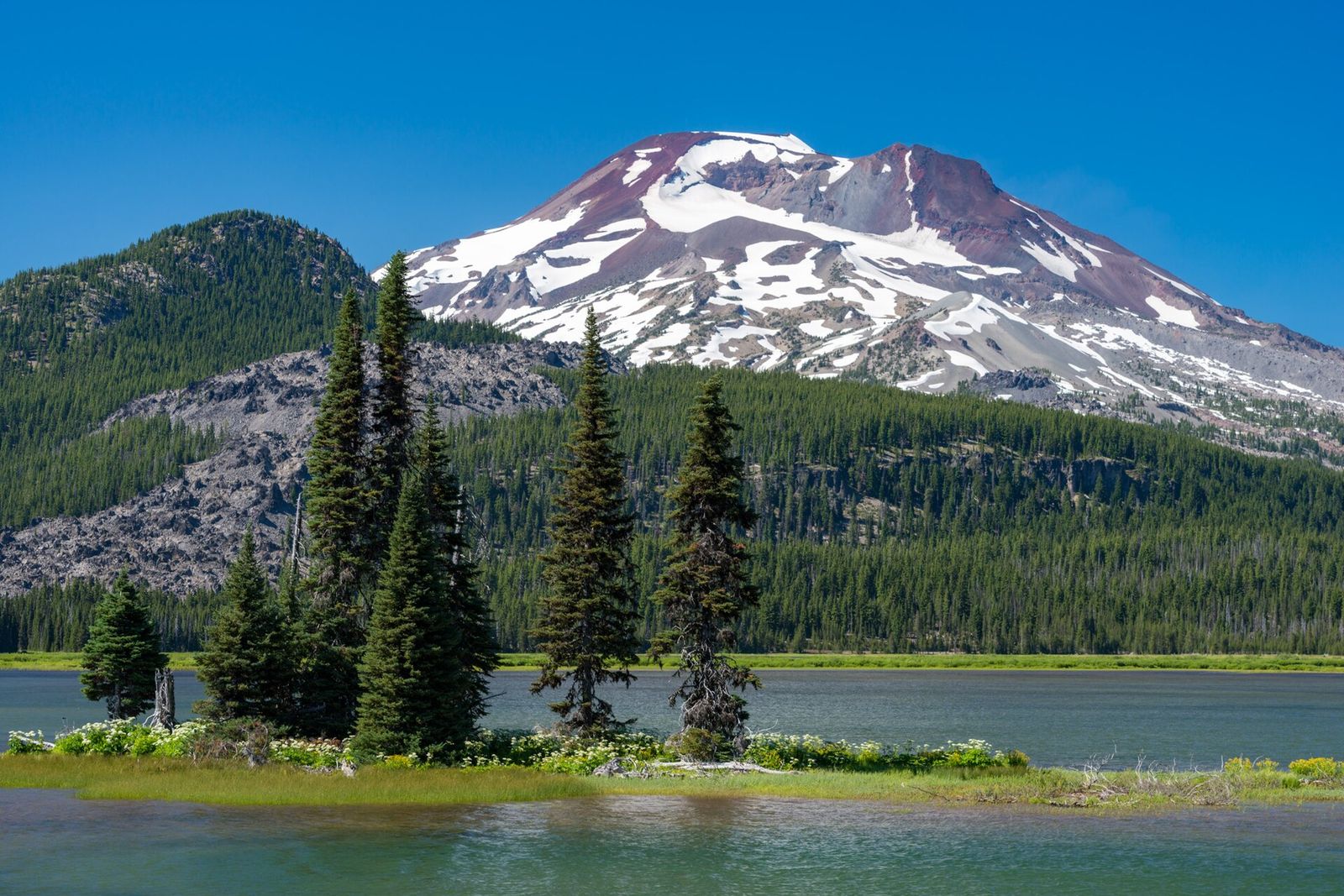
September is the secret. Highs average 76°F, rain is scarce, and the day-night swing is at its most dramatic: lows average 34°F, and about half of September’s nights dip below freezing. Mornings are for a jacket and coffee on the patio; afternoons are for the paved river trail toward Benham Falls, which our Benham Falls bike path guide walks you through.
Sunriver is ponderosa pine country, so fall color comes in pockets rather than whole hillsides. The Deschutes Land Trust points to changing fall colors along the Deschutes River near Benham Falls, a short ride from Sunriver.
October cools off quickly, to 62°F highs and 28°F lows, with most nights freezing. November is when the wet season returns: precipitation jumps to 2.4 inches, and with lows in the mid-20s, some of it can fall as snow.
A few things change with the calendar. The SHARC’s outdoor pools close after Labor Day weekend (the indoor pool stays open), Lava River Cave closes in mid-September, and by late fall the Cascade Lakes Highway beyond Mt. Bachelor closes for the snow season. Once school is back in session, the whole place feels calmer. Fall and spring are also prime dog weather here: cool, quiet, and easy on paws. Our pet-friendly Sunriver guide has the leash rules and our favorite walks.
What is Sunriver like in the winter?
December through February is a real mountain winter. Highs run from the upper 30s to low 40s, lows sit around 20°F, and nearly every night drops below freezing. December and January are the wettest months of the year, and at these temperatures much of that falls as snow.
Mt. Bachelor is the headliner, about 20 minutes from the cabin. The season usually starts in late fall and, snow permitting, runs well into spring; check Mt. Bachelor’s site for this year’s opening day and conditions. For the full winter playbook, see our Sunriver in winter guide.
Driving matters in winter. From November through March, we recommend an AWD or 4WD vehicle, and carry chains either way. Check ODOT’s TripCheck for road conditions before you head over the passes or up the mountain.
Winter has its own busy stretch: the holiday weeks around Christmas and New Year’s are when winter dates go first, so book early if you want them. The rest of the season is more relaxed. On non-ski days, the SHARC’s indoor pool is a warm escape, and back at the cabin the year-round hot tub and gas fireplace do exactly what you’d hope after a cold day outside.
Does it snow in Sunriver?
Yes. With winter highs around 40°F and lows near 20°F, most of Sunriver’s precipitation from December through February falls as snow, and those three months average close to 8 inches of total water between them. Snow can show up in the shoulder months too: November, March, and April all bring freezing nights and real precipitation.
How many inches of snow? NOAA’s 1991 to 2020 normals don’t include a snowfall average for the Sunriver station, and we’d rather tell you that than guess. What we can say is that totals vary from one winter to the next, so if snow in town matters to your trip, aim for the heart of winter and watch the forecast as your dates get close. Mt. Bachelor tops out thousands of feet higher than Sunriver and holds its snow long after town has melted out, which is why spring skiing there is a thing.
What is Sunriver like in the spring?
Spring is Sunriver’s most changeable season. March averages 50°F highs, April 57°F, and May 65°F, but lows stay in the 20s through April, and freezing nights are still the norm for most of March and April. Expect sunny afternoons, cold mornings, and the occasional late-season flurry.
What’s best in spring:
- Spring skiing at Mt. Bachelor while the season lasts, with milder weather waiting back in town.
- Fall River wildflowers. Fall River is one of our hidden gems: go in spring for wildflowers, with a casual riverside hike from the Guard Station.
- The season opening up. Lava River Cave reopens in mid-May, and the SHARC’s outdoor pools usually open Memorial Day weekend.
Snow lingers in the high country well into late spring, so lakes and trails up the Cascade Lakes Highway are better saved for summer. Spring is also one of the quieter times to visit, which makes it a favorite for dog owners and anyone who likes the paths to themselves.
What should you pack for Sunriver?
Rule one, every season: layers. Even in July, you’ll want something warm for the evening.
- Summer: shorts, a sun hat, sunscreen and sunglasses, swimsuits, a warm layer for evenings, and a real jacket if Lava River Cave is on the list.
- Fall: a fleece or puffy, a hat and light gloves for mornings, sturdy shoes for the river trail, and a rain shell by November.
- Winter: insulated waterproof boots, a warm coat, hat and gloves, traction for icy walks, chains for the car, and a swimsuit for the hot tub.
- Spring: a bit of everything: rain shell, warm layers, sunglasses, and shoes that can handle mud or snow.
- Year-round: lip balm and lotion for the dry air, and a refillable water bottle.
What you don’t need to pack: the cabin has AC for summer, a gas fireplace for cold evenings, a hot tub that runs all year, and four bikes.
So when is the best time to visit Sunriver? Our pick
- Families with kids: late June through August. Outdoor pools, river floats, bike rides, and long evenings. Book early.
- Skiers and snow lovers: January and February, after the holiday rush, for mountain days and hot tub nights. Spring works too if you’d like milder days in town between ski runs.
- Couples and quiet-seekers: September and early October. Warm afternoons, cold nights, fewer people.
- Dog owners: spring and fall, when the paths are cool and quiet.
- Hikers and lake lovers: July through September, once the high country has melted out and the Cascade Lakes Highway is open.
There’s no bad season here, just different trips. Pick your season and check dates: the hot tub is warm, the bikes are ready, and the SHARC passes are on the counter whichever month you choose.